

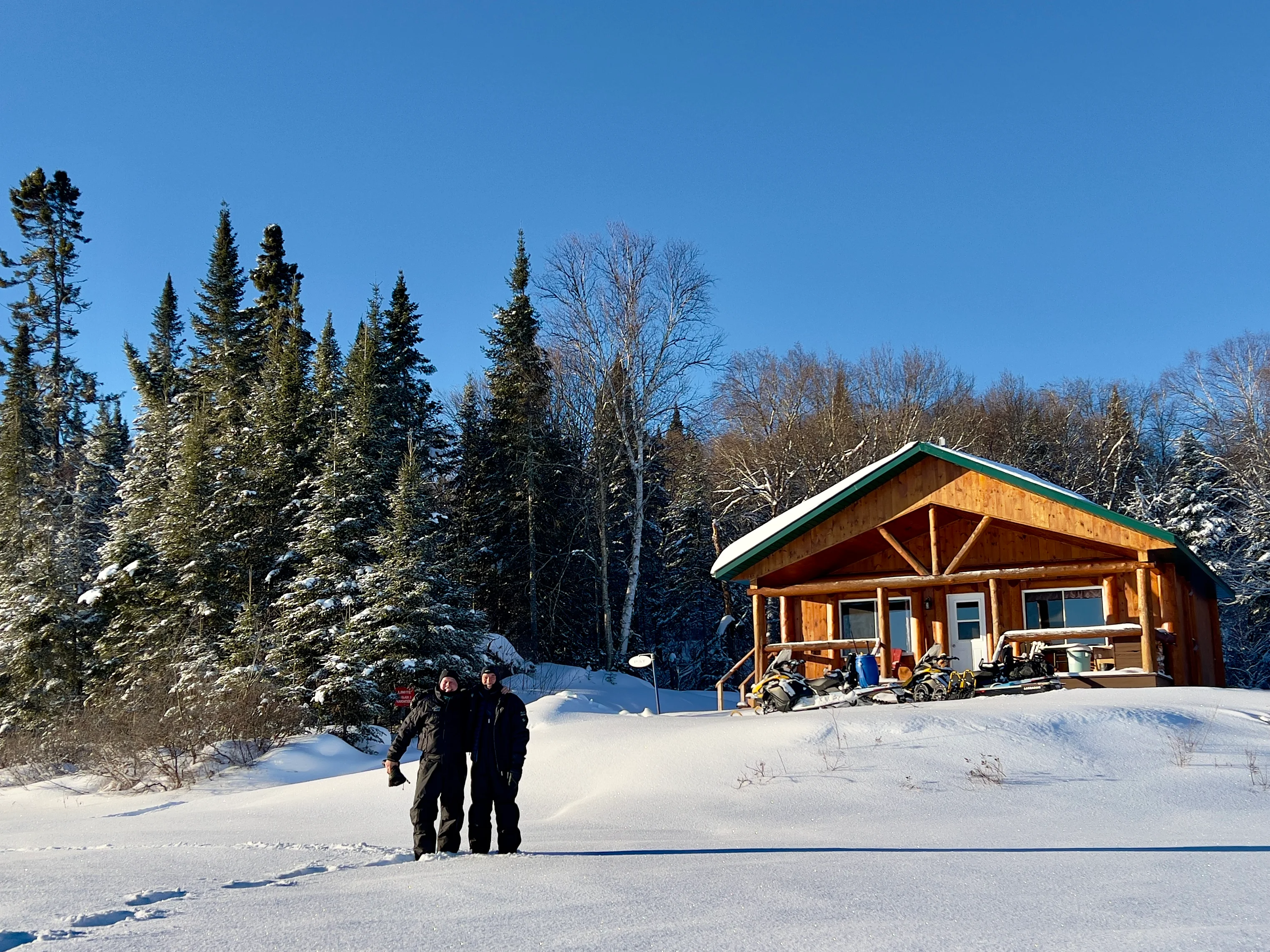
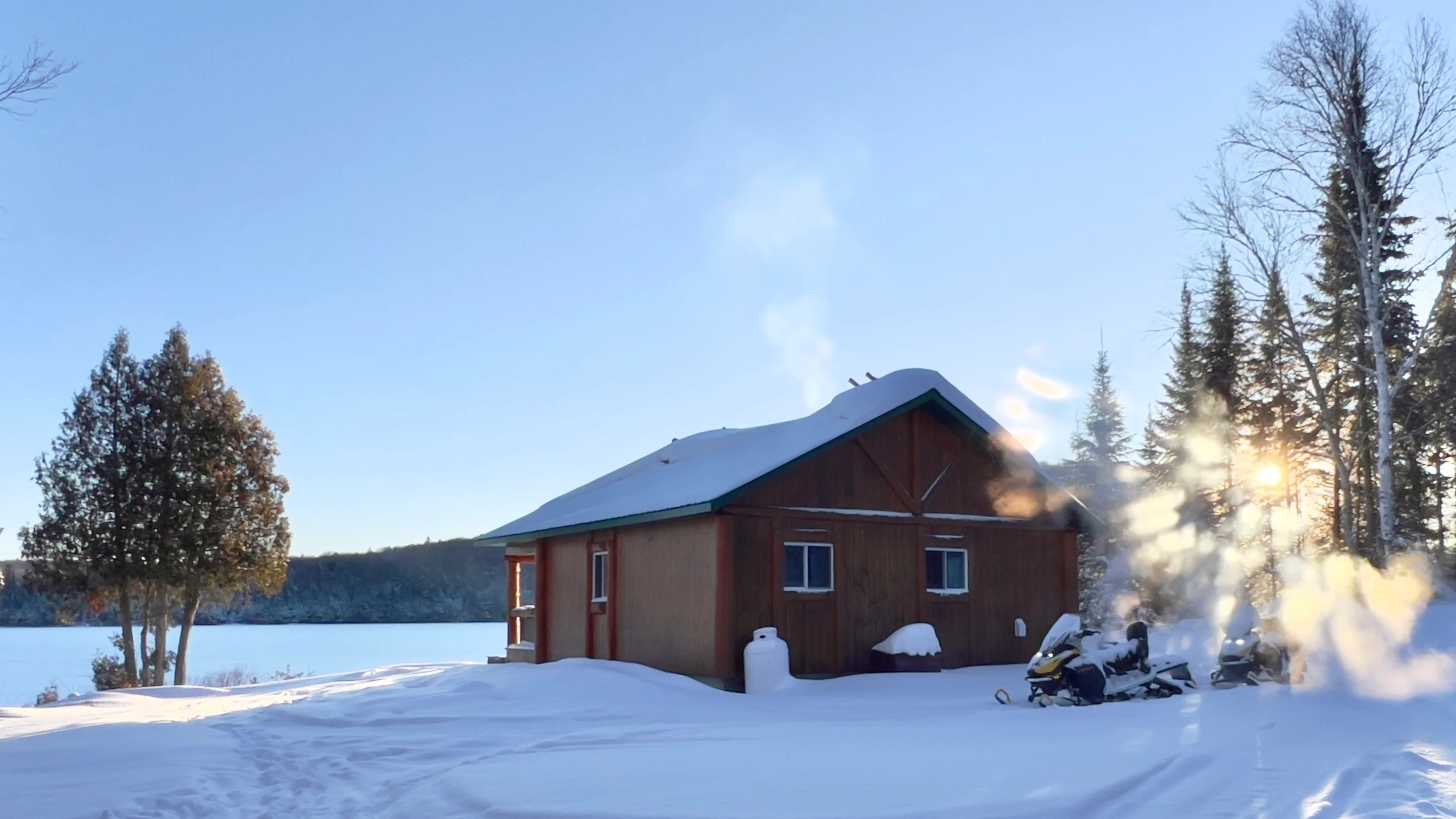
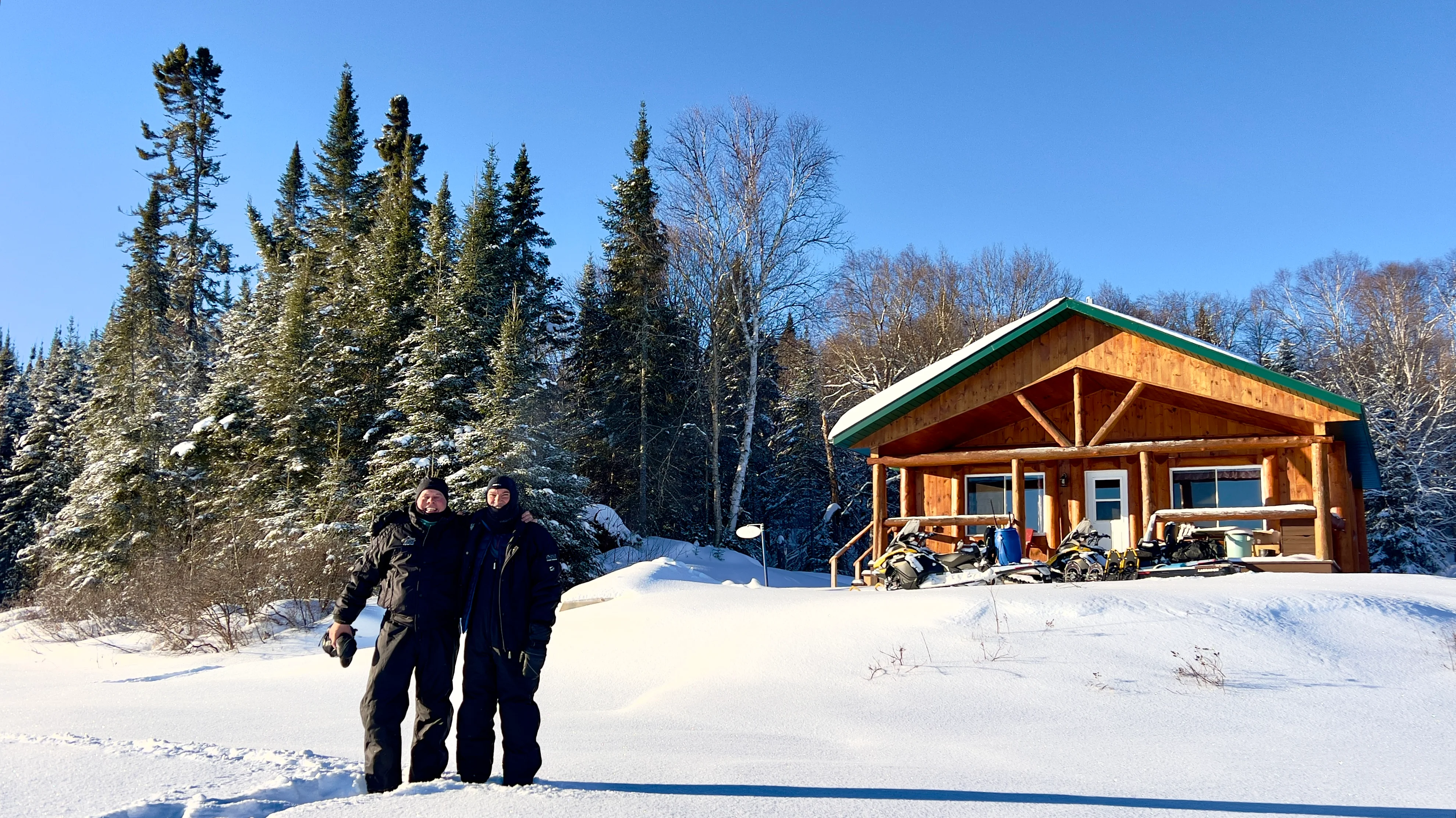
Spending five days in the woods with Martin, my childhood friend of over forty years, is not a vacation. It’s an adventure project. This time, we headed for the Lynx cabin, one of the most remote of the Mekoos outfitter, located in Quebec’s Hautes-Laurentides. Mekoos is part of the Mitik Group, known for its vast territories and authentic hunting experiences.
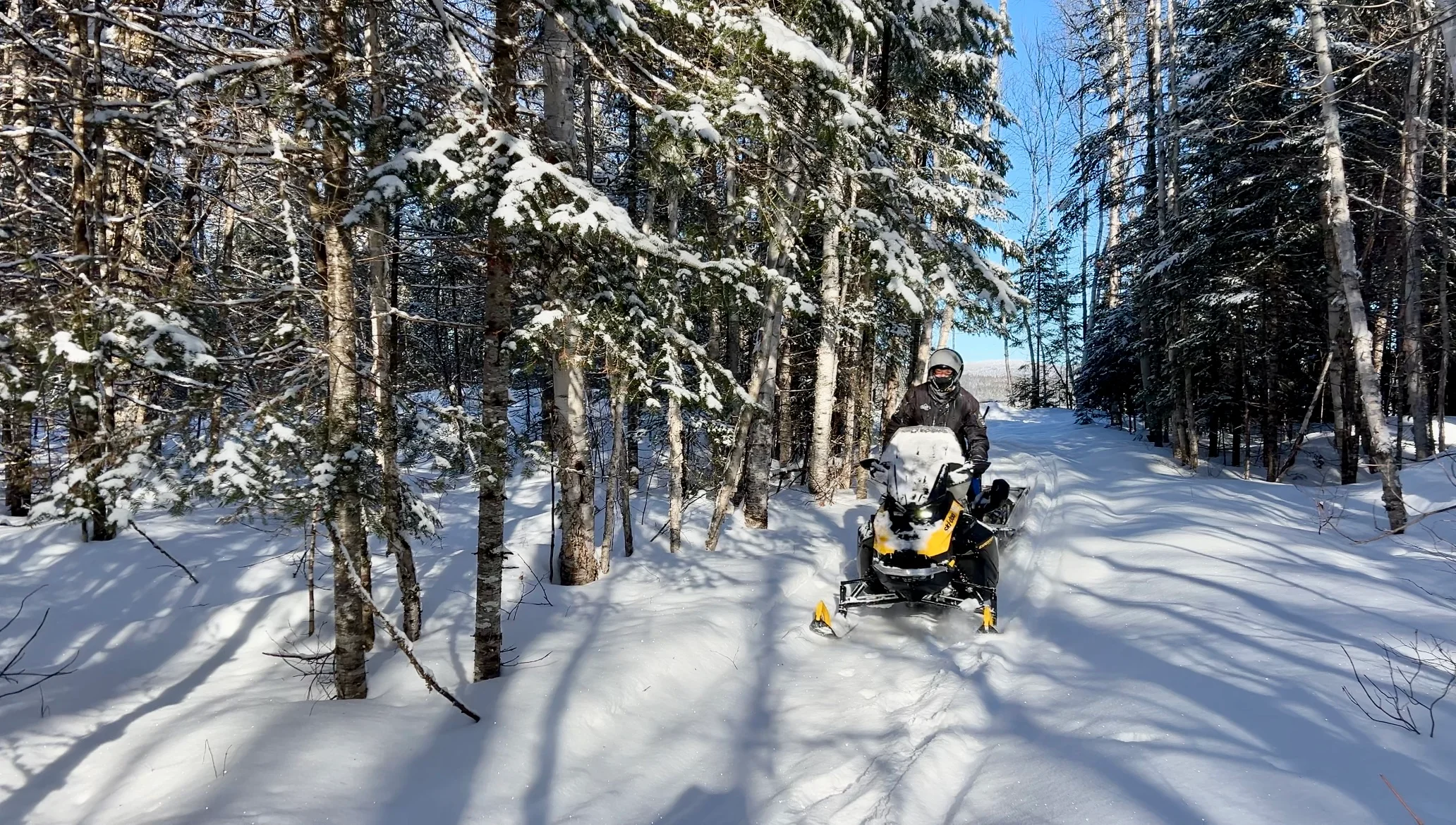
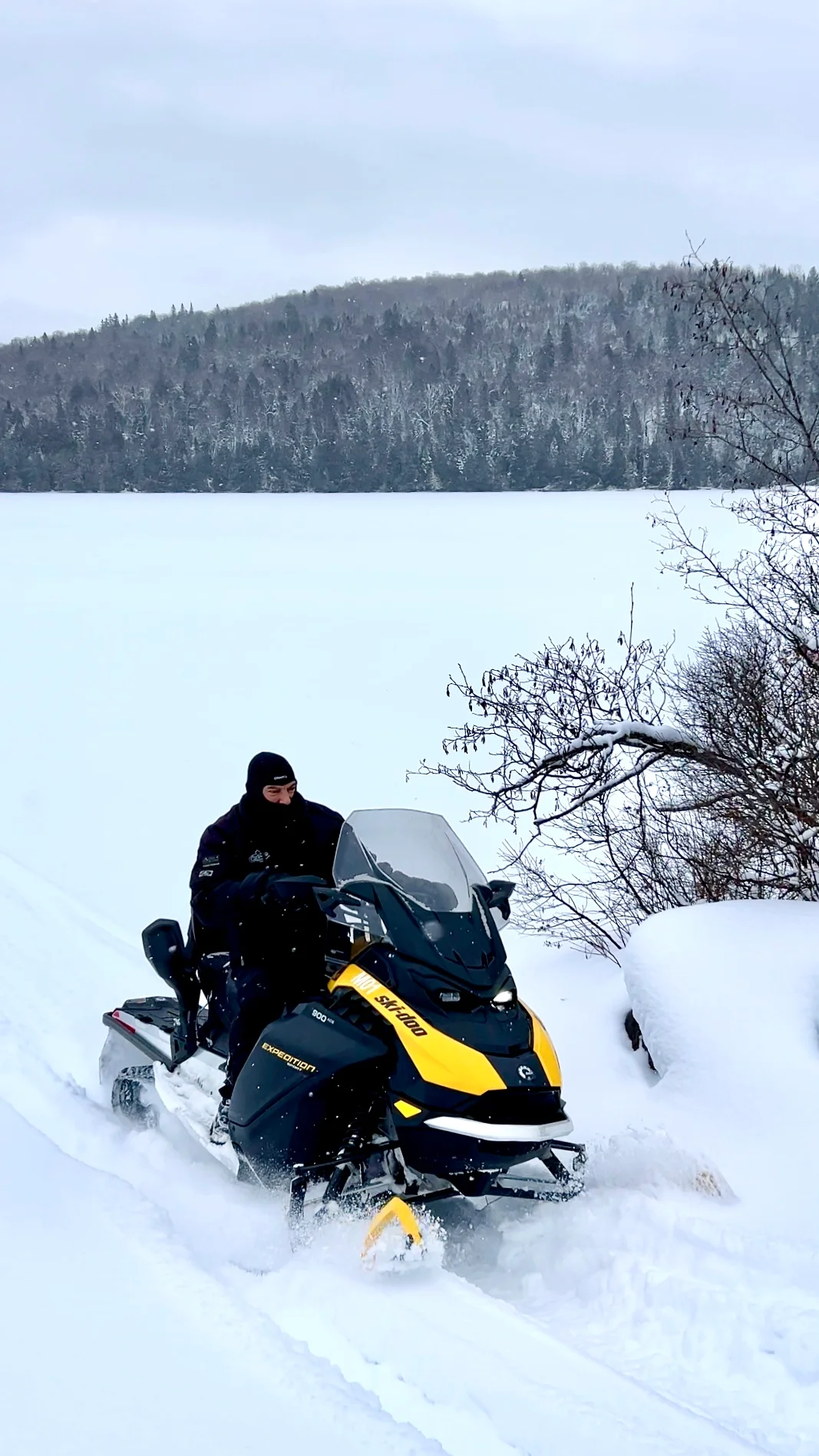
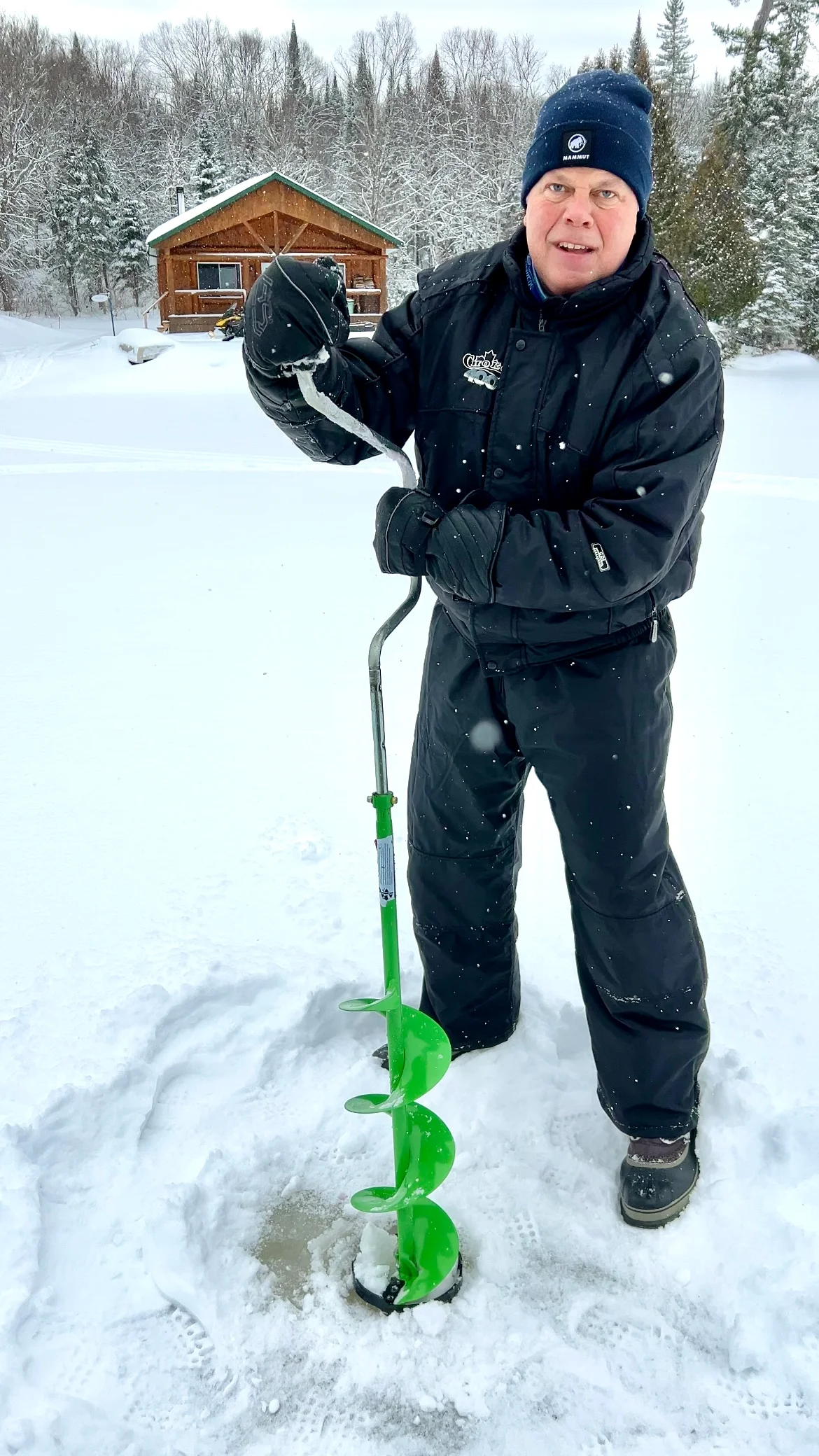
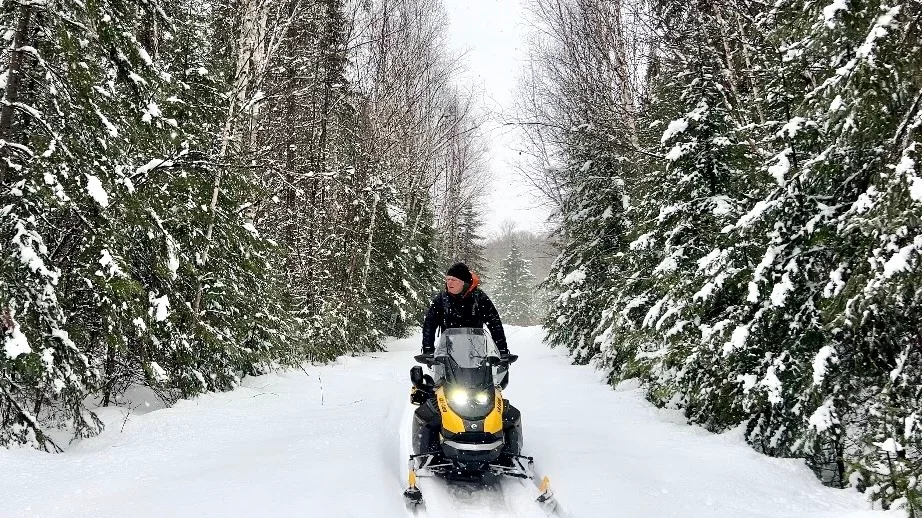
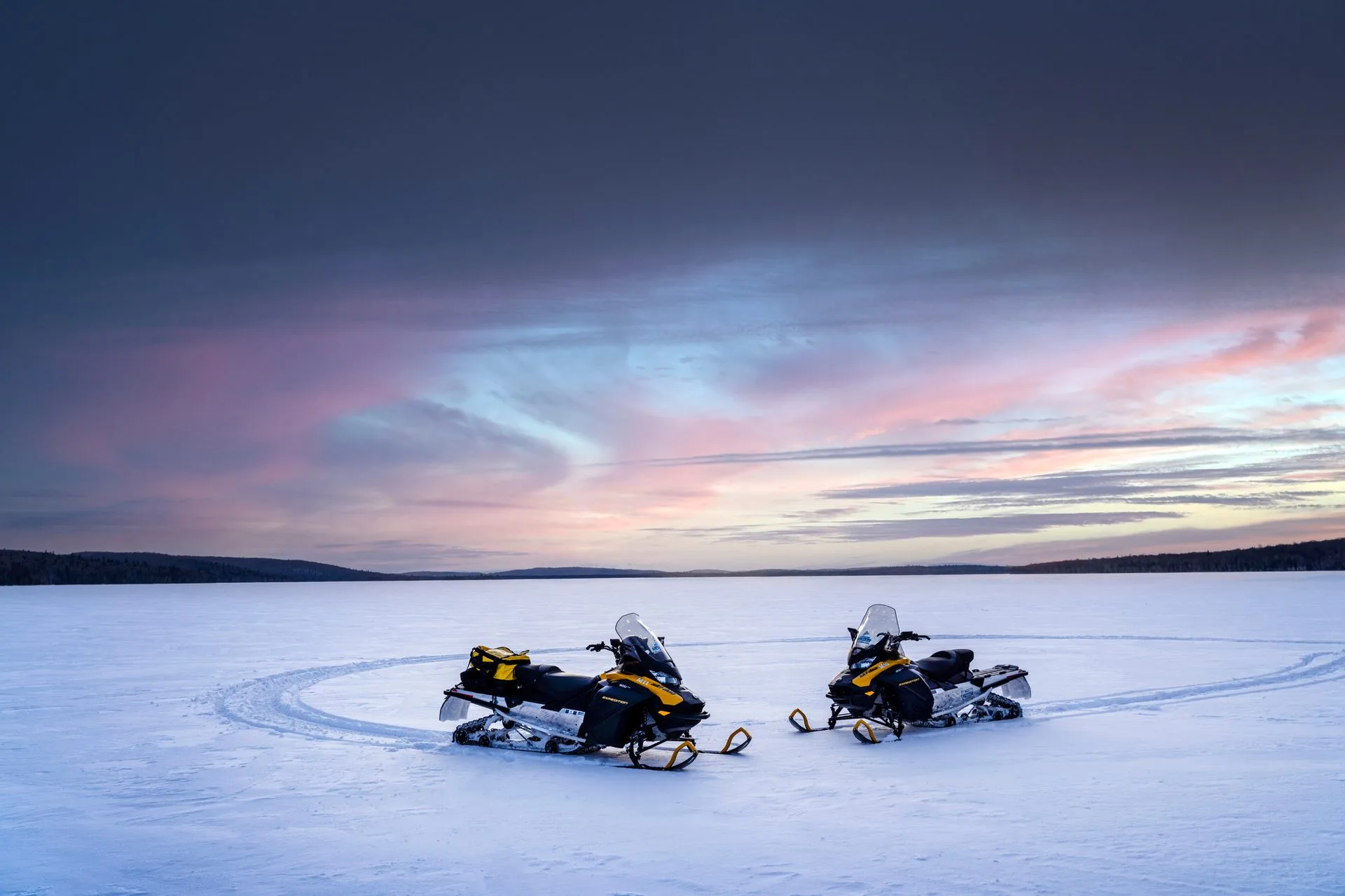
It’s a two-hour snowmobile ride from the main lodge. Two expedition sleds, one freight sled loaded with snowshoes, shovel, auger, rifles, food, wine, beer, and everything we needed to be self-sufficient for five days.
No cell reception. A satellite phone for emergencies, and that’s it. Water comes from the lake—for drinking, cooking, and washing. Heat comes from the wood stove. It’s not luxury, but it’s everything that really matters.
I regularly practice outdoor activities, summer and winter, with my childhood friends: canoeing, Nordic skiing, long hikes. In recent years I’ve taken up small game hunting, mainly grouse. Hunting by e‑bike, for example, has been a great new way to explore. But snaring snowshoe hare was a first for me. And believe me, it’s a whole different world. You have to be even more patient and attentive.
Snowshoe hare snaring: 27 snares, 4 hares, and a lot of learning
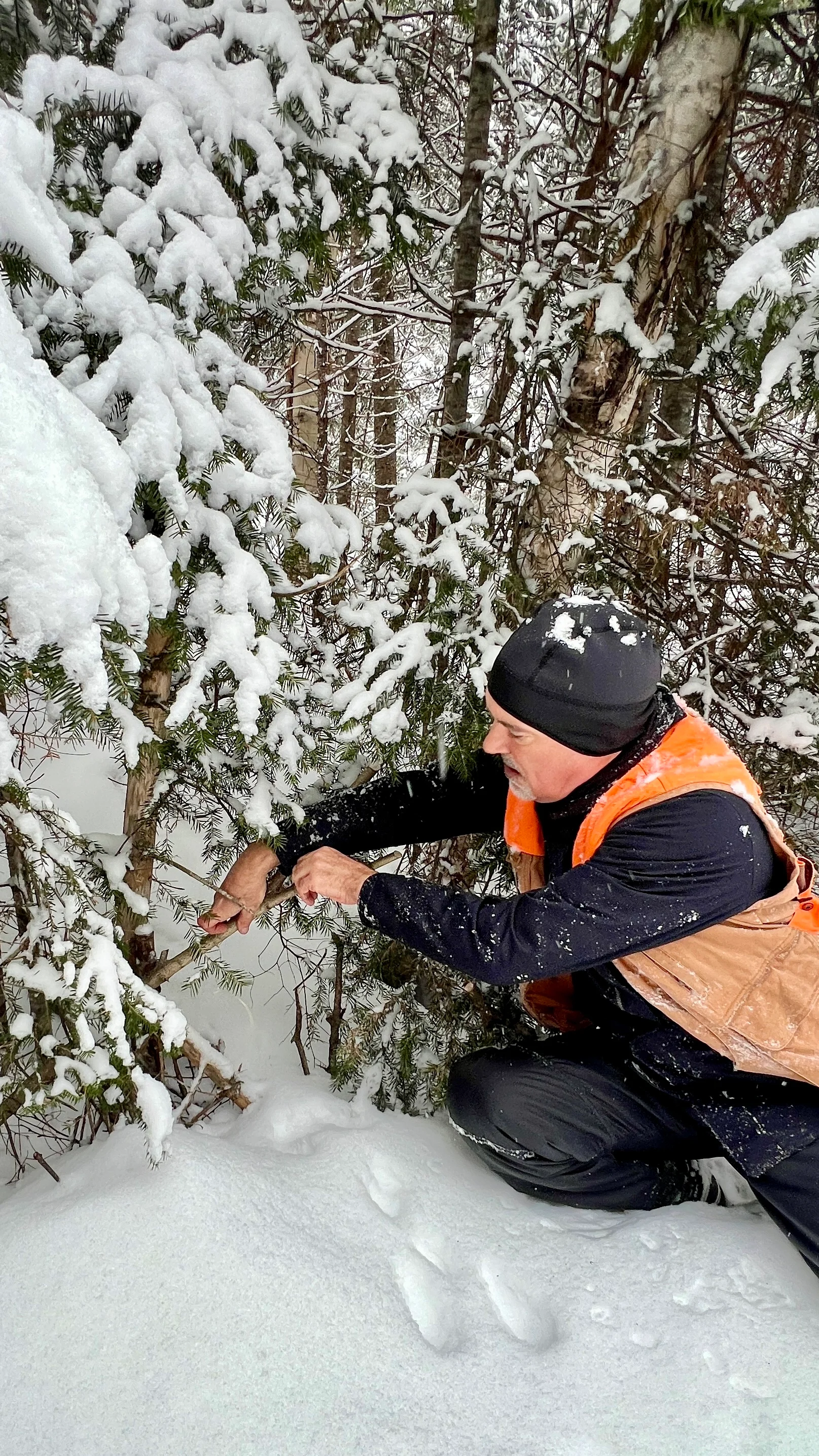
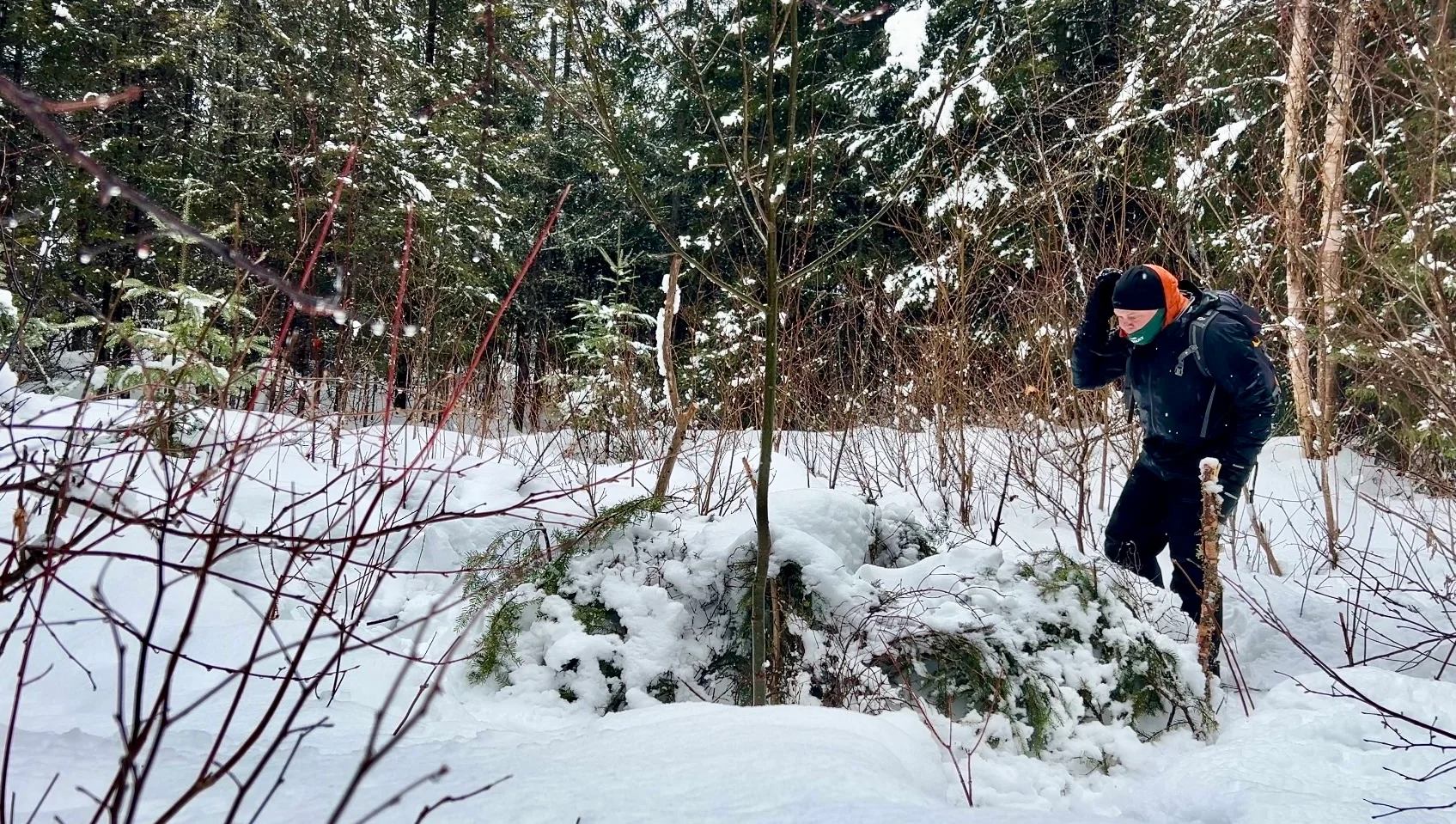
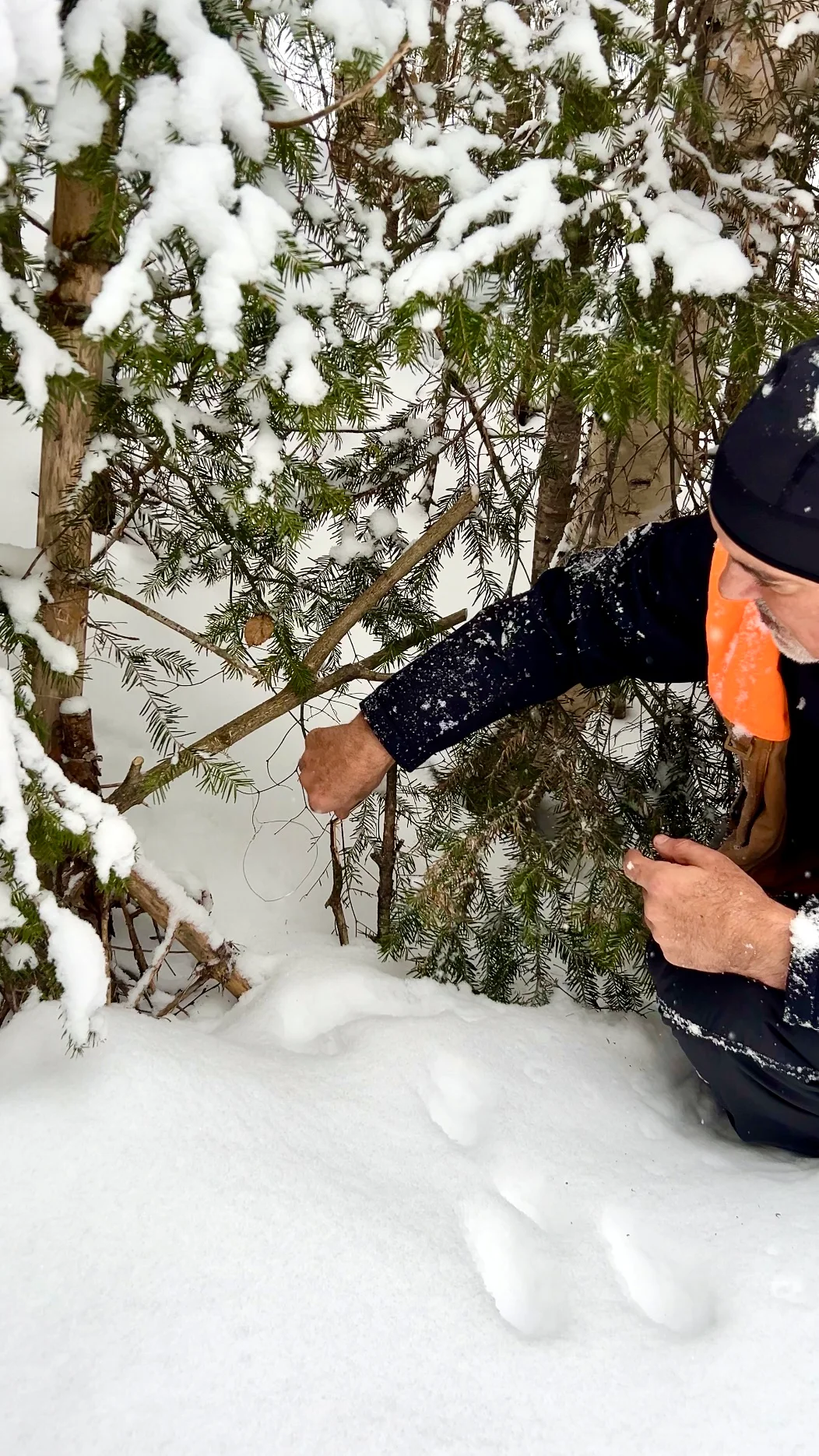
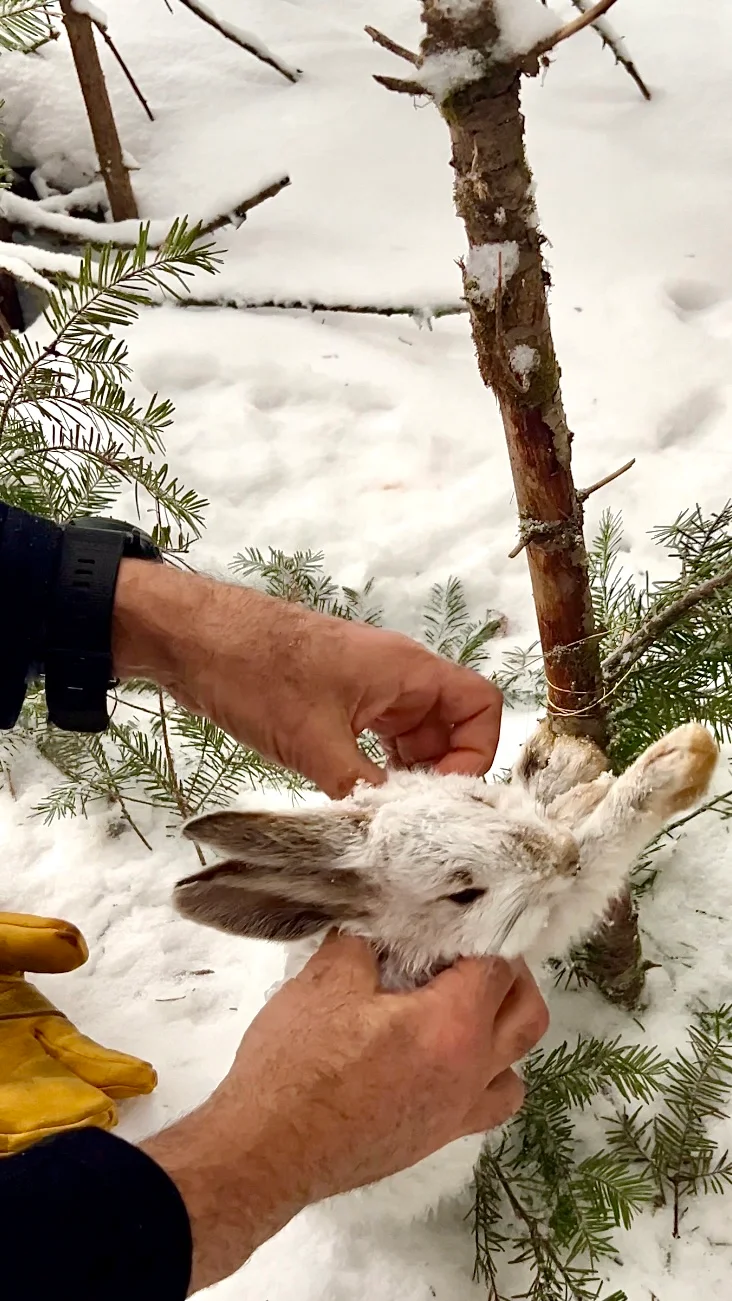
I went there to learn. To practice for real, on the land. We set up 27 snares for snowshoe hare, made from 22‑gauge brass wire. Each snare was a loop about the size of a fist, attached to a small tree, hanging about a fist off the ground on an active trail. We added a few branches to gently funnel the animal toward the loop.
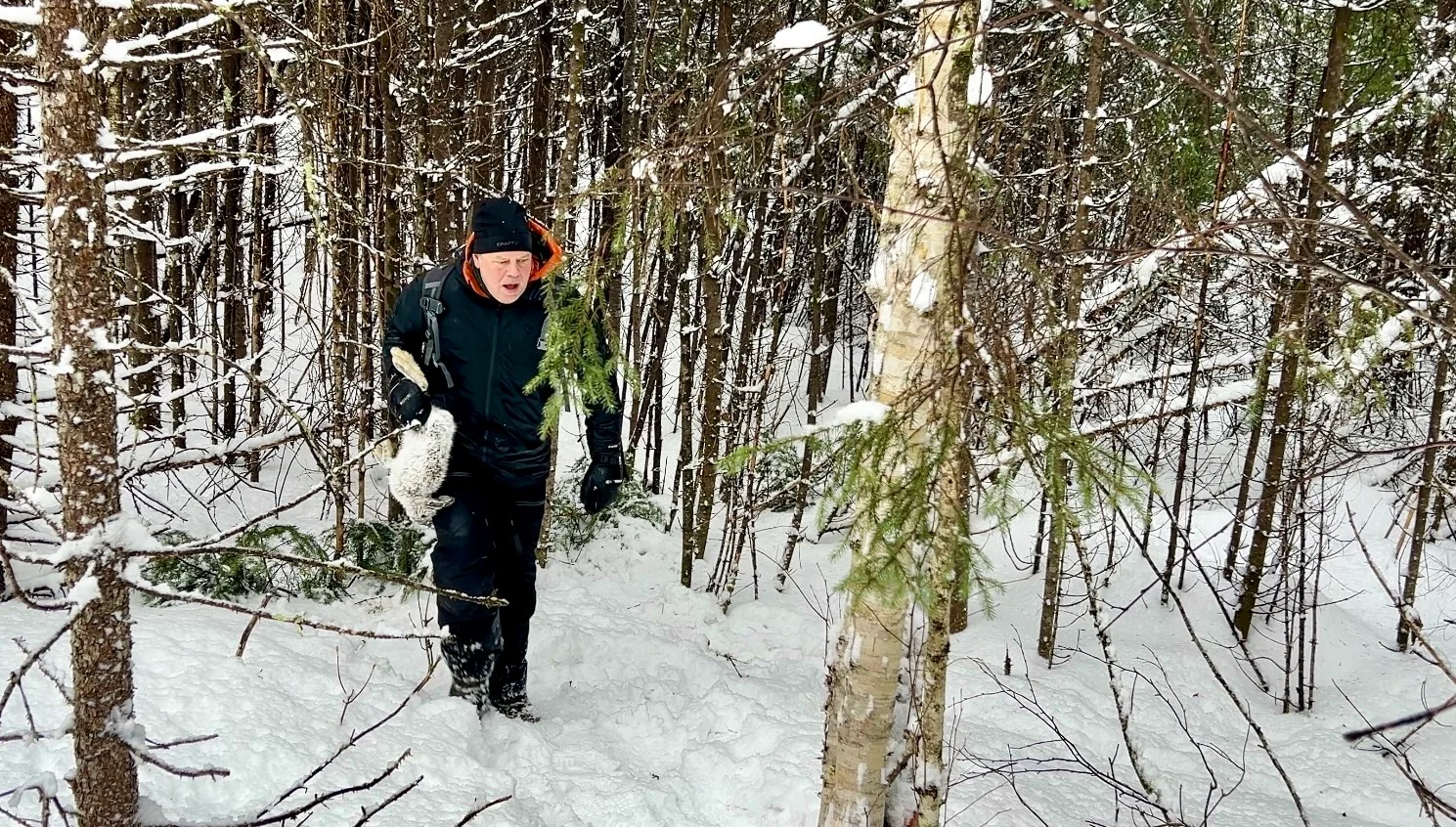
Every day, we covered around 30 kilometers by snowmobile, then added about ten kilometers on foot or snowshoes through the forest. Over those five days, 30 to 40 centimeters of snow fell. Not the easiest conditions. We had to clear the snares, adjust them, sometimes move them. Nothing stays fixed. The hares move, and so do we.
In the end, we harvested five hares and three grouse. We also lost four: two broken snares, two trails where the hares slipped past. They’re quick and crafty. Even so, we had enough to cook two generous game dishes on the wood stove with the ingredients we had. We also brought some meat back home. It was the first time my family had ever tasted hare. My stew was an instant hit.
Full days, and a head full of forest
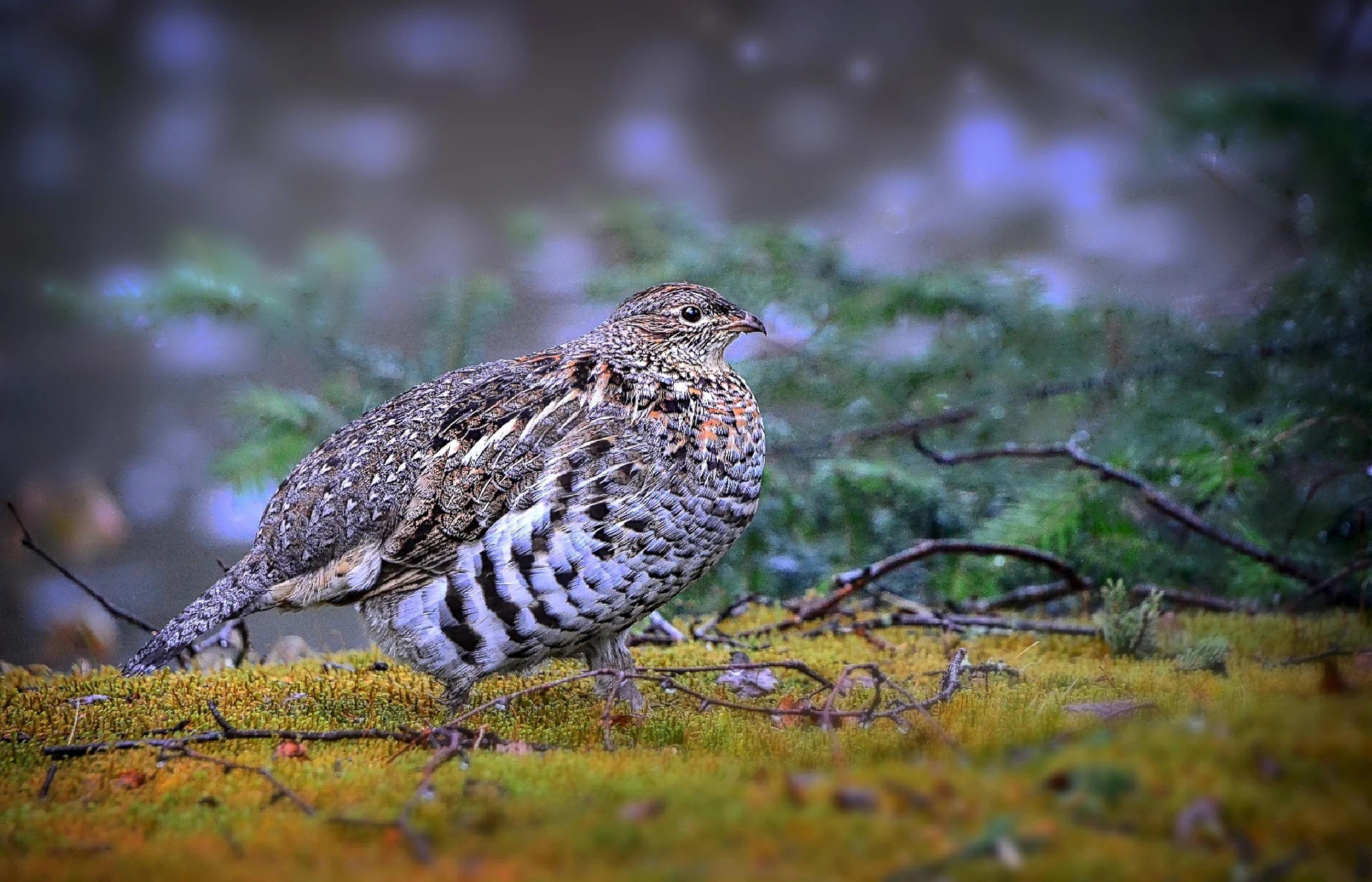
Our days were full. Scouting, setting snares, walking the lines. We weren’t chasing trophies—just trying to live outside, for real. Every track in the snow taught us something. And there were many… Tracks of martens, squirrels, ruffed grouse, moose, and of course, hares. Every detour through the forest had its own logic.
In the evenings we came back to the cabin. A bit of reading, a few games of Splendor—our favorite board game—a beer and some wine around our meal. We went to bed early, with no need for extra distraction. Our bodies knew when to rest.
You don’t take this kind of trip to escape the world. You take it to learn. To practice a simple, ethical form of hunting. To better understand Quebec’s territory, its wildlife, and its winters. It was my first snaring experience, but definitely not the last.
Since I’ve been back home, in the forests of the Lanaudière region, I see tracks in the snow differently. And these days, when I head out on snowshoes, there’s a little roll of brass wire in my pocket… A new passion is quietly taking root.
FAQ – Snowshoe hare snaring in Quebec
Is it legal to set snares for snowshoe hare in Quebec?
Yes, snaring snowshoe hare is allowed in Quebec under specific conditions. You must use an authorized gauge of brass wire (such as 22‑gauge) and follow the hunting seasons and regulations for your zone. It’s strongly recommended to check the official website of the Quebec Ministry of Wildlife, Forests and Parks for up‑to‑date rules.
Where should you set a hare snare in the forest?
A good spot is an active hare trail, often recognizable by Y‑shaped tracks in the snow. The snare opening should be about 10–15 cm (4–6 inches) off the ground and centered over the trail, with a few branches placed to guide the animal through the loop.
What gear do you need for a winter snaring expedition?
For a winter trip like the one described here, you’ll need a snowmobile or snowshoes for access, 22‑gauge brass wire, tools to fix the snares, clothing suited to cold conditions, food, a heat source (wood stove), and ideally a satellite phone for safety.
Is snared hare safe to eat?
Yes, snared hare is excellent eating, with lean, flavorful meat. It’s important to cook it thoroughly (for example, in a stew or ragout) and handle the carcass hygienically after harvest.

'/%3e%3cpath%20d='M19.0957%209.92969L25.1657%2015.9997L19.0957%2022.0697'%20stroke='white'%20stroke-width='1.5'%20stroke-miterlimit='10'%20stroke-linecap='round'%20stroke-linejoin='round'/%3e%3cpath%20d='M8.16602%2016H24.996'%20stroke='white'%20stroke-width='1.5'%20stroke-miterlimit='10'%20stroke-linecap='round'%20stroke-linejoin='round'/%3e%3cdefs%3e%3clinearGradient%20id='paint0_linear_40000784_6671'%20x1='1.38396'%20y1='32'%20x2='31.1276'%20y2='1.33333'%20gradientUnits='userSpaceOnUse'%3e%3cstop%20stop-color='%23FDB62F'/%3e%3cstop%20offset='0.498405'%20stop-color='%23CF9033'/%3e%3cstop%20offset='1'%20stop-color='%23FDB62F'/%3e%3c/linearGradient%3e%3c/defs%3e%3c/svg%3e)